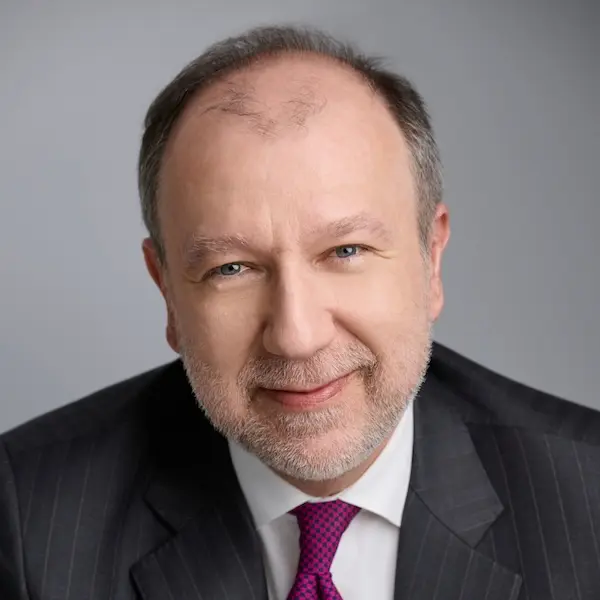
Jorge Guajardo
Former Mexican Ambassador to China (2007-2013) | Partner, DGA Group | Expert on Geopolitics, U.S.-Mexico-China Relations & Global Trade


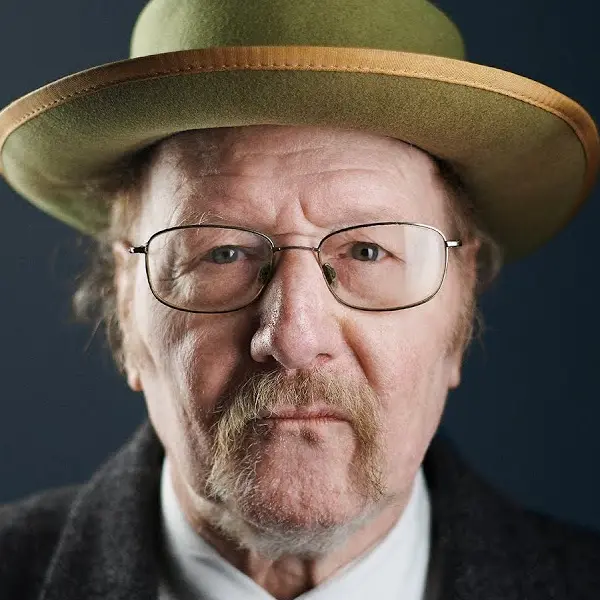
2017 Nobel Laureate in Physiology or Medicine | Professor Emeritus of Biology, Brandeis University | Pioneer of Circadian Rhythm Science
Few scientists have illuminated the hidden machinery of life as profoundly as Jeffrey C. Hall. His Nobel Prize-winning research revealed the molecular clock that governs every living cell — work that transformed how medicine, biology, and human performance science understand time. Audiences gain rare insight into the science behind sleep, health, and why timing is fundamental to human potential.
Want to book Jeffrey C. Hall as a speaker for your event? Please provide the info below and we’ll get in touch within 24h:
Jeffrey C. Hall is a Nobel Prize laureate whose discoveries unlocked one of biology’s most fundamental mysteries: how living organisms know what time it is. Born in Brooklyn, New York, Hall earned his doctorate in genetics from the University of Washington in 1971 before completing a postdoctoral fellowship at the California Institute of Technology under behavioral genetics pioneer Seymour Benzer. In 1974, he joined Brandeis University in Waltham, Massachusetts, where he would spend the next three decades conducting the research that changed how science understands life itself. He is currently Professor Emeritus of Biology at Brandeis University.
Nobel Prize speaker Jeffrey C. Hall is best known for co-discovering the molecular mechanisms that control the circadian clock — the internal biological timekeeper present in virtually every cell of every living organism on Earth. Working in close collaboration with colleague Michael Rosbash at Brandeis, and in parallel with Michael Young at Rockefeller University, Hall isolated the period gene in fruit flies in 1984 and demonstrated that its encoded protein rises and falls on a precise 24-hour cycle. His team then proposed and validated the inhibitory feedback loop that drives this oscillation — a discovery that established the conceptual foundation for the entire field of molecular chronobiology. The trio’s work revealed that the same clock mechanism is conserved across species from fruit flies to humans, with profound implications for medicine, metabolism, sleep science, and human performance.
In 2017, Hall was awarded the Nobel Prize in Physiology or Medicine jointly with Michael Rosbash and Michael Young, recognized for discoveries that explained how organisms synchronize their biology to the 24-hour rhythm of the planet. The Nobel Committee noted that their work established an entirely new paradigm — one that has since spawned a vast and dynamic research field with direct relevance to sleep disorders, mental illness, cardiovascular disease, metabolic conditions, and the optimization of drug timing. Hall and Rosbash also identified the Clock and cycle genes, whose protein products serve as the positive transcriptional activators in the feedback loop, and Hall’s lab discovered the cryptochrome gene, encoding the light-absorbing molecule that resets the clock in response to environmental cues.
As a speaker, Jeffrey C. Hall brings to the stage an extraordinary combination of scientific depth, intellectual honesty, and the rare ability to make complex biological mechanisms feel immediate and relevant to everyday life. Audiences gain a new understanding of why sleep, timing, and biological rhythms are not peripheral lifestyle factors but central drivers of human health, performance, and wellbeing. For corporate, healthcare, and scientific audiences alike, Hall’s talks offer a grounding in the science behind peak performance, the hidden costs of circadian disruption, and what the Nobel-winning research means for the future of medicine and human potential.
Every cell in the human body carries its own biological timekeeper — and when that clock falls out of sync, the consequences reach far beyond fatigue. In this keynote, Jeffrey C. Hall traces the Nobel Prize-winning science of circadian rhythms from fruit fly genetics to human health, explaining the molecular feedback loop that drives our 24-hour biology. Audiences come away understanding why timing governs everything from hormone cycles to cognitive performance, and what science now knows about optimizing health, recovery, and productivity through alignment with our biological clock.
Sleep deprivation and circadian disruption are among the most underestimated risks in modern workplaces. Drawing on decades of foundational research, Hall examines what the molecular science of the circadian clock reveals about shift work, always-on culture, and the hidden toll of misaligned schedules on human performance and organizational health. He offers a rigorous, evidence-grounded perspective on why sleep is not a lifestyle preference but a biological imperative — and what leaders can do about it.
Before the Nobel Prize came forty years of quiet, methodical science. In this reflective keynote, Hall shares the story behind the discovery — the mentors, the dead ends, the moments of insight, and the power of genuine scientific curiosity unconstrained by short-term pressures. It is a compelling narrative for any organization invested in building cultures of deep innovation, long-term thinking, and research that actually matters.
The circadian clock doesn't just regulate sleep — it shapes when our bodies are most vulnerable to disease, most receptive to treatment, and most capable of repair. Hall explores how the molecular discoveries behind the 2017 Nobel Prize are now informing chronopharmacology, cancer treatment timing, surgical planning, and personalized medicine. This forward-looking talk is ideal for healthcare, biotech, and life sciences audiences interested in where circadian biology is taking medicine next.
Former Mexican Ambassador to China (2007-2013) | Partner, DGA Group | Expert on Geopolitics, U.S.-Mexico-China Relations & Global Trade
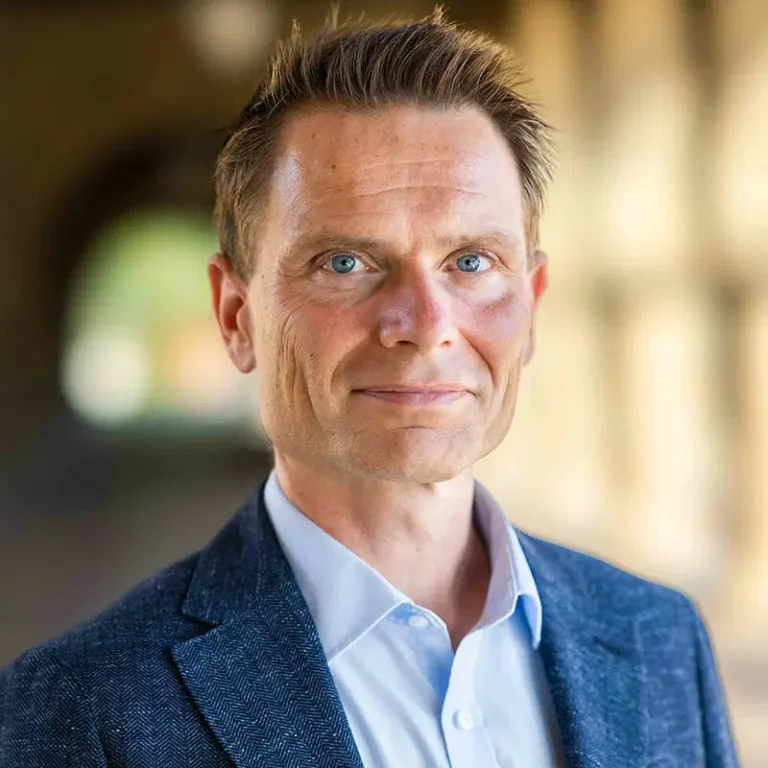
Leading Economist on Productivity, Hybrid Work, and Management; Stanford University Professor
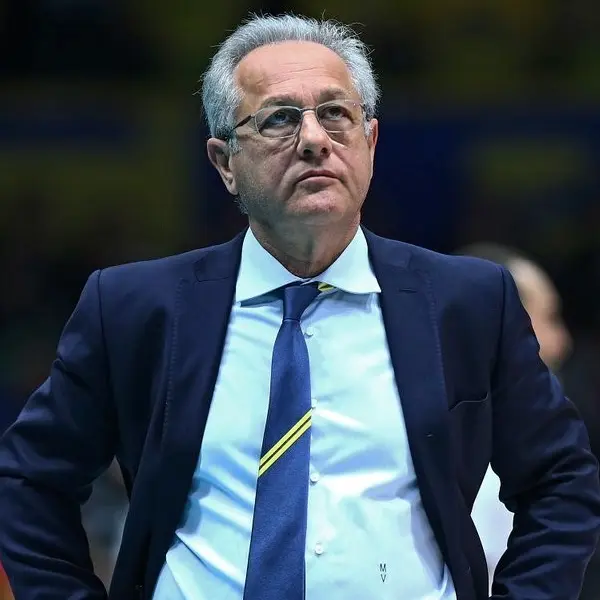
Most Decorated Volleyball Coach in History | 2024 Olympic Gold, Paris | 3x World Champion | Volleyball Hall of Fame

Global CEO Advisor | Bestselling Author of Execution & China's 90% Model | Thinkers50 Hall of Fame | Harvard Business School Faculty


© 2026 Aurum Speakers Bureau. All Rights Reserved

| Basic Data Protection Information | |
|---|---|
| Data controller | AURUM SPEAKERS BUREAU S.L. |
| Address | Parc Audiovisual de Catalunya 1, Oficina S11, 08225 Terrassa, Spain |
| Purposes | We will use your data to respond to your requests and deliver our services to you. |
| Marketing | We will only send you marketing correspondence if you have given your prior consent, which you can do by ticking the box for that purpose. |
| Lawful basis | We will only process your data if you have given your prior consent, which you can do by ticking the box for that purpose. |
| Recipients | Generally, only our members of staff who have been duly authorised may access the data that you have provided. |
| Your Rights | You have the right to know what information we hold about you, to rectify it and to erase it, as explained in the additional information available on our website. |
| Additional Information | For more information, please see “PRIVACY POLICY” on our website. |