
Jean Tirole
2014 Nobel Prize in Economics | Honorary Chairman, Toulouse School of Economics | Visiting Professor, MIT


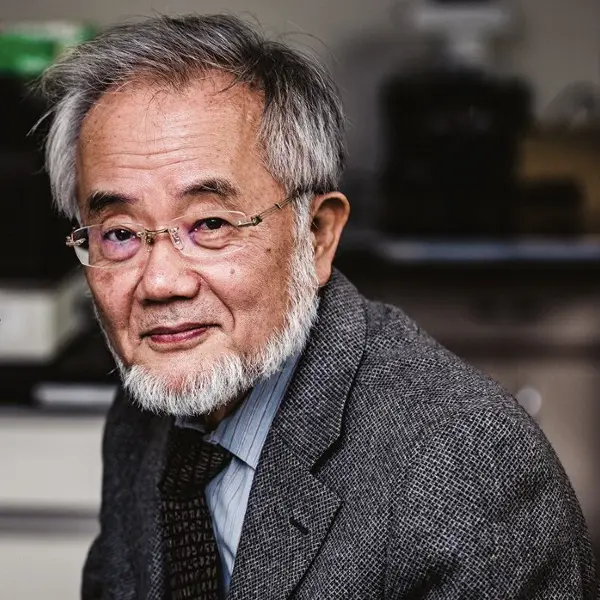
2016 Nobel Laureate in Physiology or Medicine | Discoverer of Autophagy Mechanisms | Honorary Professor, Institute of Science Tokyo
Yoshinori Ohsumi is the 2016 Nobel Laureate in Physiology or Medicine who cracked one of biology's most fundamental mysteries: how cells recycle themselves. His discovery of autophagy's genetic machinery transformed a neglected cellular process into a cornerstone of cancer, aging, and neurodegeneration research. Audiences gain a rare perspective on the power of curiosity, patience, and the courage to study what no one else will.
Want to book Yoshinori Ohsumi as a speaker for your event? Please provide the info below and we’ll get in touch within 24h:
Yoshinori Ohsumi is the 2016 Nobel Laureate in Physiology or Medicine whose discoveries unlocked one of the most fundamental processes in biology: how cells dismantle and recycle their own components. Awarded the prize solely for his discoveries of the mechanisms of autophagy — literally “self-eating” — Ohsumi transformed a poorly understood cellular curiosity into a major scientific field with direct implications for cancer, neurodegeneration, aging, and infectious disease. He is currently Honorary Professor at the Institute of Science Tokyo, formed from the merger of Tokyo Institute of Technology and Tokyo Medical and Dental University.
Nobel Prize speaker Yoshinori Ohsumi began his investigation of autophagy in 1988 — at age 43 — when he set up his first independent laboratory with minimal equipment and a radical question: could the yeast vacuole function as a cellular recycling system? Using a simple light microscope and genetically modified yeast strains, he became the first scientist to visually observe autophagy in action, watching small spherical structures accumulate inside vacuoles under starvation conditions. The observation was so striking he spent hours at the microscope unable to look away.
From this initial breakthrough, Ohsumi’s laboratory systematically identified and characterized the genes essential for autophagy — collectively known as the ATG genes. Through exhaustive genetic screening and molecular analysis, his team mapped 18 genes critical to the autophagy process under starvation conditions, classifying them into six functional groups. These findings demonstrated that autophagy is not a passive degradative process but a precisely regulated, evolutionarily conserved mechanism operating in all eukaryotic organisms, from yeast to humans. His lab’s discovery of two ubiquitin-like conjugation systems central to autophagosome formation represented a particular molecular milestone, explaining how the cell assembles the membrane structures that capture and transport cellular cargo for degradation.
Beyond the Nobel, Ohsumi has received the Kyoto Prize for Basic Sciences (2012), the Breakthrough Prize in Life Sciences (2017), and Japan’s prestigious Asahi Prize and Japan Academy Prize. His work has seeded an entire branch of biomedical research exploring autophagy’s role in Parkinson’s and Alzheimer’s disease, cancer suppression, immune defense, and metabolic regulation. In 2024, he donated his Nobel medal and diploma to the Institute of Science Tokyo as inspiration for the next generation of basic researchers.
As a speaker, Yoshinori Ohsumi offers audiences something rare: a Nobel laureate who built a scientific revolution by studying what everyone else ignored. His talks illuminate how curiosity-driven basic research — pursued without immediate practical aims — can transform medicine and our understanding of life itself. For leadership and scientific audiences, he delivers a powerful message about the long-term value of foundational discovery, the courage to pursue unconventional questions, and what it means to do what no one else is doing.
Ohsumi introduces audiences to the cellular process he spent a lifetime decoding — the molecular machinery by which cells identify and dismantle their own damaged components. Drawing on decades of discovery, he explains how understanding this fundamental biology has opened new frontiers in medicine, from Parkinson's and Alzheimer's to cancer therapy and longevity research. A rare window into how one scientist's curiosity reshaped an entire scientific field.
A reflective and inspiring keynote on what it means to pursue science driven purely by curiosity. Ohsumi shares the principles that guided him — starting a new research direction at 43, studying an organelle others dismissed, and working without a roadmap — to argue for the irreplaceable value of foundational, long-term research in producing breakthroughs that matter. Essential listening for organizations weighing the balance between innovation and immediate return.
Ohsumi examines autophagy's role in the processes that govern health across the lifespan: the accumulation of cellular damage, the body's natural defenses against neurodegeneration, cancer suppression, and the molecular basis of aging. He makes the case for why understanding the cell's recycling systems is among the most promising frontiers in 21st-century medicine, and what the science means for the future of healthcare and drug development.
2014 Nobel Prize in Economics | Honorary Chairman, Toulouse School of Economics | Visiting Professor, MIT
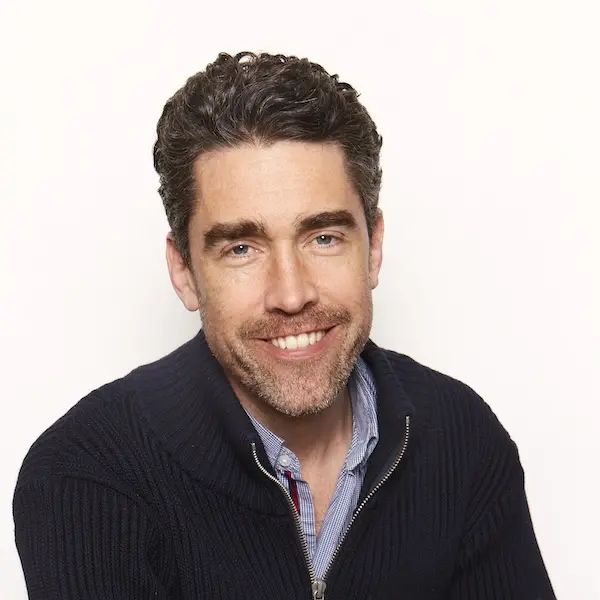
Former Head of Creative Development & VP Marketing EMEA, Warner Bros. Studios | Co-Founder, Content Creator Studios | Founder of Innervation | Creativity & Innovation Expert

Bestselling Author of Digital Bank & Intelligent Money | Chair, The Financial Services Club | CEO, Finanser Ltd | Fintech Thought Leader
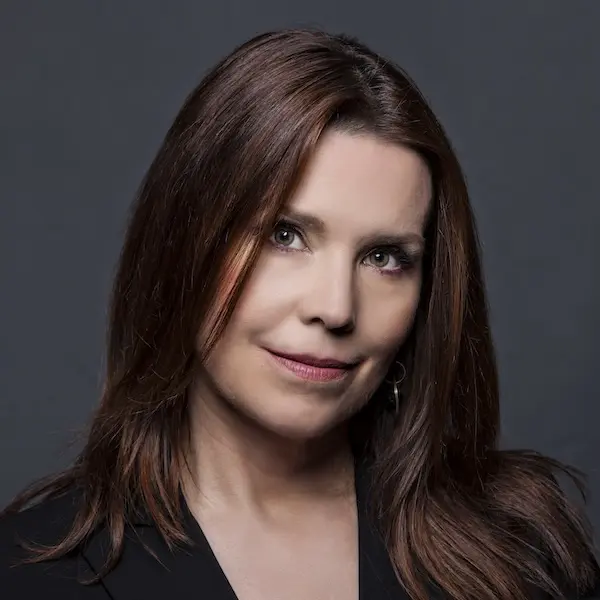
Bestselling Author of Thinking in Bets & Quit | Decision Strategist | Special Partner at First Round Capital | Former World Series of Poker Champion


© 2026 Aurum Speakers Bureau. All Rights Reserved

| Basic Data Protection Information | |
|---|---|
| Data controller | AURUM SPEAKERS BUREAU S.L. |
| Address | Parc Audiovisual de Catalunya 1, Oficina S11, 08225 Terrassa, Spain |
| Purposes | We will use your data to respond to your requests and deliver our services to you. |
| Marketing | We will only send you marketing correspondence if you have given your prior consent, which you can do by ticking the box for that purpose. |
| Lawful basis | We will only process your data if you have given your prior consent, which you can do by ticking the box for that purpose. |
| Recipients | Generally, only our members of staff who have been duly authorised may access the data that you have provided. |
| Your Rights | You have the right to know what information we hold about you, to rectify it and to erase it, as explained in the additional information available on our website. |
| Additional Information | For more information, please see “PRIVACY POLICY” on our website. |